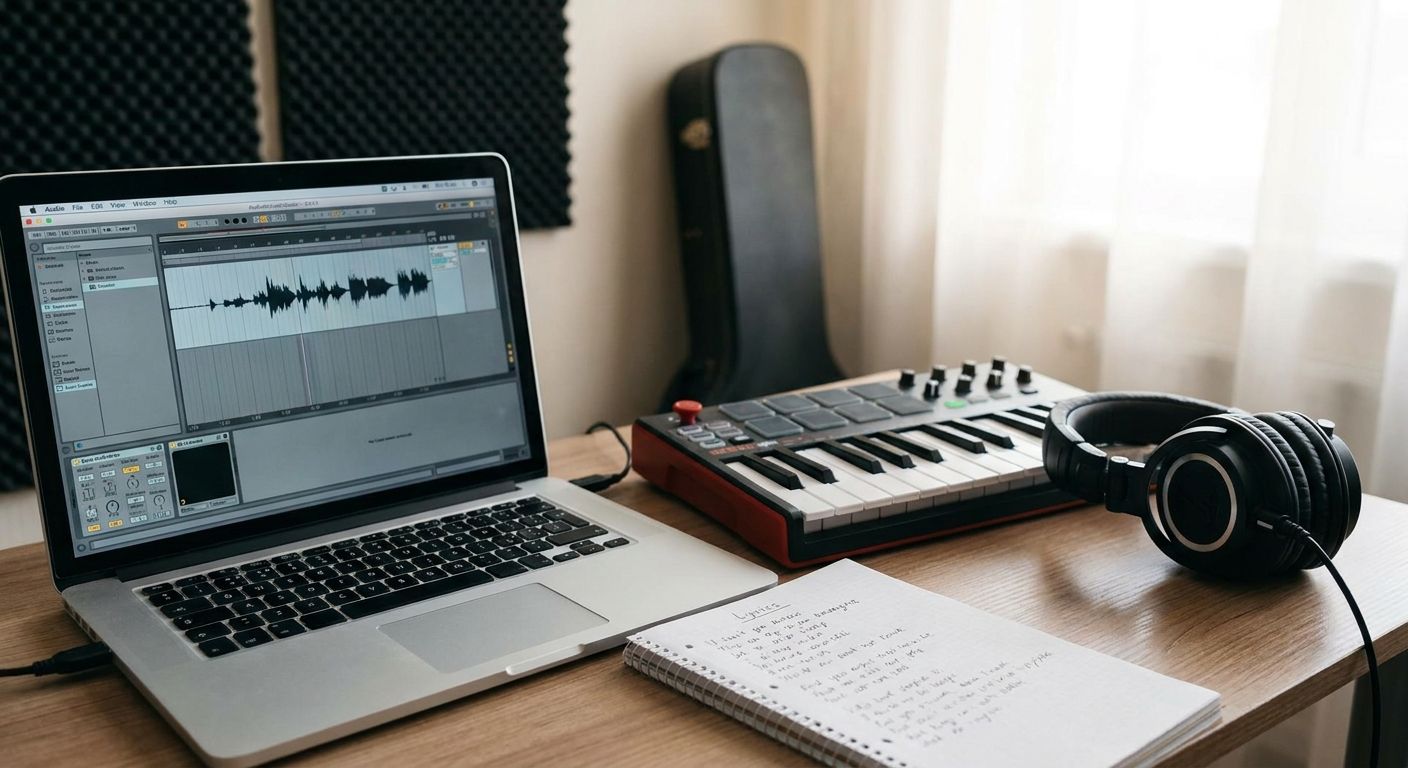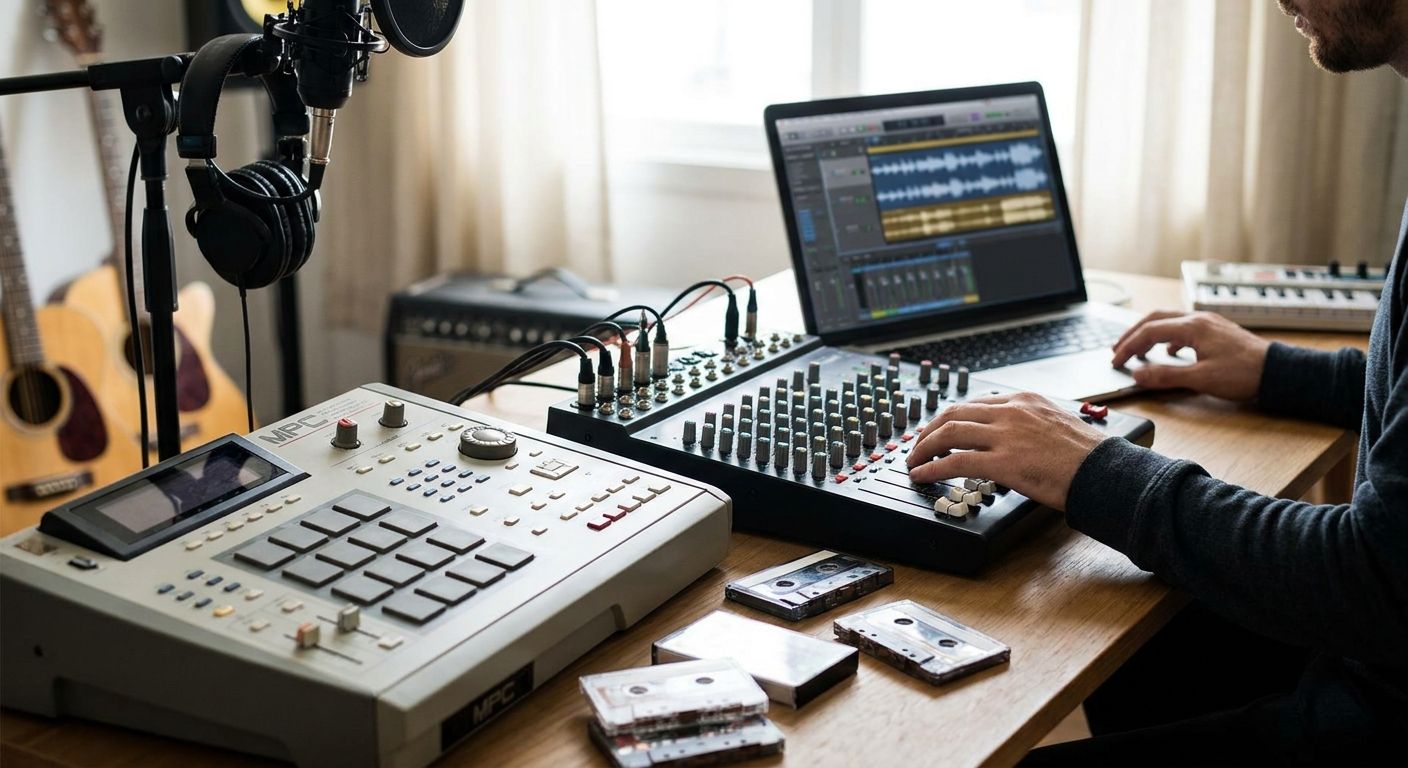
Leasing an exclusive R&B beat only pays off when the pocket, the mood, and the paperwork all line up — miss one and you've bought a beat you can't actually use the way you planned. This guide breaks down what independent R&B artists need to check before locking in an exclusive lease in 2026.
- Exclusive R&B leases should include full copyright transfer language, not vague 'exclusive rights' wording — read the agreement before you pay.
- Mid-tempo (70-90 BPM) piano and vocal-chop production remains the safest lease r&b beats pick for vocal-driven songs in 2026.
- Trackout stems matter more than the mix you hear in the preview — no stems means you're stuck at final mixdown.
- Skip any exclusive deal that ships without stems or leaves producer tags baked into the final file.
Why this matters
An exclusive R&B beat costs more than a non-exclusive lease because you're buying the right to keep other artists from ever using it again. That premium only makes sense if the beat actually fits your voice, your release plan, and your budget for stems and re-mixing down the line.
A lot of artists get burned not because the beat sounds bad, but because the license terms were never checked. Louie The Producer works exclusive R&B and trap-soul production from a work-for-hire, full-copyright-transfer standpoint — meaning once the lease closes, the beat is out of circulation and the rights move to you. That's the standard you should hold every exclusive lease to in 2026, regardless of who you're buying from.
Who this is for
This guide is for independent R&B and R&B/trap-soul artists who are past the free-beat-tag phase and ready to release a single, EP, or project where ownership matters — think artists prepping a DSP push, a sync submission, or a project they plan to monetize past 2026 without licensing headaches down the line.
What to look for when you lease R&B beats
Exclusivity terms, spelled out
"Exclusive" means nothing if the contract doesn't say full copyright transfer or work-for-hire. Some sellers use "exclusive" loosely while still retaining rights to sync placements or resale — get the term defined in writing before you send payment.
Mood and vocal pocket fit
R&B lives and dies on pocket. A beat sitting at 70-80 BPM with open space in the low end works for most vocal-driven R&B, while a 130-140 BPM half-time trap-soul cut needs a vocalist comfortable riding a double-time flow. Match the tempo to how you actually write, not to what's trending.
Stems and trackout availability
The mixed preview you hear is not what you should be building your final master from. Exclusive leases should include trackout stems — individual drum, bass, and melody layers — so your mix engineer can rebalance around your vocal instead of fighting a pre-baked stereo file.
Turnaround and producer communication
Exclusive deals often involve back-and-forth: swapping a hi-hat pattern, dropping a section, adjusting the key. A producer who answers within a day or two in 2026 is worth more than one who ghosts after the invoice clears.
Tagged preview vs. clean final file
Every reputable exclusive lease ships a tag-free final file once payment clears. If the delivered file still has the producer's voice tag baked in, that's not a finished exclusive product — it's a placeholder.
Genre crossover range
A lot of 2026 R&B leans into trap-soul, alt-R&B, and pop-adjacent production. If you want radio or playlist range, look for beats built with crossover appeal instead of pure throwback soul loops that box you into one lane.
Top picks by style
The safe pick — stripped piano and vocal-chop R&B. Mid-tempo, usually 70-80 BPM, built around a piano or Rhodes line with vocal chops filling the space instead of dense melody. This style leaves the most room for a lead vocal to carry the record, which is exactly why it's the default choice for artists leasing their first exclusive R&B beat. Buy if your voice is the main instrument in your songs.
The wildcard — dark trap-soul hybrid. 808-heavy, half-time feel, often clocking in around 130-140 BPM on paper but sitting closer to 65-70 BPM in the pocket. It rewards a vocalist who can ride behind the beat rather than on top of it. Consider it if your flow already leans melodic-rap adjacent — it's a harder sell if your writing is strictly ballad-style.
The radio-ready pick — up-tempo R&B/pop crossover. Sits around 90-100 BPM with a brighter top end and more rhythmic drum programming, built for playlist and radio crossover appeal. Buy if your release plan includes DSP placement pushes in 2026 and you want a record that doesn't feel like a deep cut.
The one to skip — generic loop-based R&B packs. Beats built entirely from stock sample-pack loops with no reprogrammed elements underneath. They sound fine in a 30-second preview and fall apart once you A/B them against anything custom-arranged. Skip these for an exclusive lease — pay exclusive pricing only for production that's actually built, not stitched from loops.
Lock in your exclusive R&B beat
Check available trap-soul and R&B production before you lease.
What to avoid
- Non-exclusive leases marketed as exclusive. If the license doesn't say full copyright transfer or work-for-hire in plain language, assume other artists can still buy that same beat.
- No-stems exclusive deals. Paying exclusive money for a beat you can't remix at the stem level defeats the point of exclusivity.
- Vague delivery timelines. "You'll get it soon" isn't a delivery date. Get a turnaround window before you pay, especially if you're leasing R&B beats against a release deadline.
“If the beat doesn't fit the pocket of your voice, exclusivity doesn't matter.”
Verdict comparison
| Pick | Tempo range | Best for | Stems needed | Verdict |
|---|---|---|---|---|
| Stripped piano/vocal-chop | 70-80 BPM | Ballad-style vocalists | Yes | Buy |
| Dark trap-soul hybrid | ~65-70 BPM feel | Melodic-rap adjacent flows | Yes | Consider |
| Up-tempo R&B/pop crossover | 90-100 BPM | Playlist/DSP push releases | Yes | Buy |
| Generic loop-based pack | Varies | Nobody, long-term | Rarely included | Skip |
FAQ
What does it mean to lease R&B beats exclusively?
Leasing R&B beats exclusively means the producer transfers full copyright or work-for-hire rights to you, and the beat is pulled from sale to anyone else. Non-exclusive leases let multiple artists buy and use the same beat.
Is an exclusive R&B beat worth it over a non-exclusive lease?
An exclusive lease is worth it once you're releasing a single or project you plan to monetize, since it removes the risk of another artist dropping a song on the same instrumental. Early demos or freestyles rarely need exclusive rights.
Do exclusive R&B beat leases include stems?
Reputable exclusive leases include trackout stems so your mix engineer can rebalance the instrumental around your vocal. If stems aren't offered, ask before paying, since a mixed-down file alone limits your final master.
What tempo is typical for R&B beats in 2026?
Most R&B production sits between 60 and 90 BPM, with trap-soul hybrids often programmed at double-time tempos that feel slower in the pocket. Match tempo to your natural vocal delivery rather than chasing a trend.
Will the producer tag be removed from an exclusive beat?
Yes, a finished exclusive lease should deliver a tag-free final file once payment clears. A tagged file at delivery signals the deal isn't actually finalized as exclusive.
Can I still get an exclusive R&B beat customized after leasing?
Many producers offer adjustments like arrangement changes or swapped elements as part of the exclusive process before final delivery. Confirm what revisions are included before you pay, since policies vary by producer.
How is a work-for-hire R&B beat different from a standard exclusive lease?
Work-for-hire generally means you own the copyright outright with no reversion clauses, while some exclusive leases retain producer rights under certain conditions. Read the specific agreement language rather than assuming the terms match.
One last thing
The file format you get matters more than most artists realize when they lease r&b beats: a 24-bit WAV with stems gives your mix engineer real headroom to work with, while an MP3-only delivery locks your final master to whatever balance the producer chose. Always confirm file format and stem delivery before the lease closes, not after.
Owning your masters starts with what's actually in the contract, not what the word "exclusive" implies. Read every term on louiehasit.com or any producer's lease agreement before you send payment in 2026 — that habit is what separates artists who build a catalog from artists who keep re-buying the same rights.